
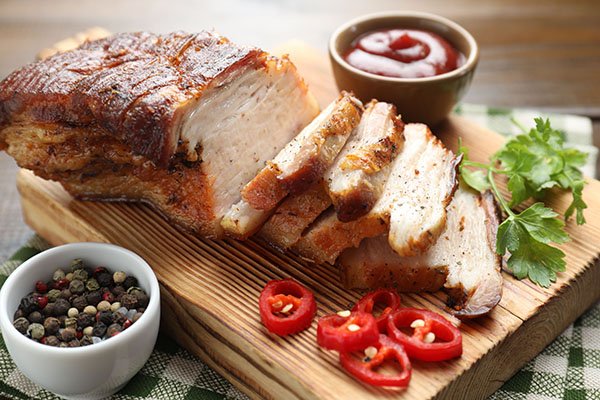
With the cost of feeding a family top of mind for many consumers, the value of high-quality, nutritious protein matters. Pork is an important source of protein for families, and long before it reaches the grocery store, South Dakota farmers are working every day to raise healthy animals while making responsible use of feed, water and other resources.
That balance matters. Good animal care helps produce quality pork, while efficient use of resources helps farmers manage the costs involved in raising animals and getting food to consumers.
Healthy animals begin with daily care
Raising healthy pigs starts with consistent care and observation. Farmers monitor their animals for changes in eating habits, water consumption, behavior and overall health that could signal a need for additional attention.
The environment matters, too. Modern barns allow producers to manage temperature, ventilation and air quality while protecting pigs from extreme weather. Access to fresh water and appropriate feed is also essential to maintaining animal health.
The South Dakota Pork Producers Council points to the Pork Quality Assurance Plus program as one way producers put that commitment into practice. The program provides guidance on animal well-being and food safety, including housing, handling and transportation.
Good nutrition supports quality and value
Like people, pigs have different nutritional needs throughout their lives. Farmers work with animal nutritionists to develop balanced diets that provide the appropriate combination of energy, protein, vitamins and minerals at different stages of growth.
That creates an important connection between two of South Dakota's agricultural sectors. South Dakota Soybean notes that pigs are among the state's major consumers of soybean meal, an important source of nutrients in livestock diets.
Farmers don't simply fill a feed bin. They carefully match feed to an animal's nutritional needs to support healthy growth and avoid wasting valuable resources. Feed is a significant part of raising livestock, so using it efficiently helps producers manage one of the costs that ultimately contributes to the price of food.
For consumers, the result is part of a larger effort across the pork supply chain to provide a consistent supply of nutritious, high-quality protein while managing the resources and costs required to produce it.
Prevention helps protect animals and the food supply
Some of the most important work on a pork farm happens before an animal ever becomes sick.
Biosecurity practices are designed to reduce the risk of disease entering or spreading within a farm. Depending on the operation, that can include managing visitors, cleaning and disinfecting equipment, monitoring animal health and following established protocols when animals or people enter a facility.
Technology provides producers with additional tools. Automated systems can help monitor barn temperature, ventilation and other environmental conditions, while recordkeeping and production data can help farmers identify changes and respond early.
Preventing disease protects animal health, but it also helps protect the stability and efficiency of pork production. Widespread animal illness can disrupt production and create additional costs throughout the food system. Keeping animals healthy helps farmers maintain a reliable supply of pork for consumers.
Quality protein starts on the farm
By the time pork reaches the meat counter, farmers, veterinarians, nutritionists and many others have contributed to producing it. As pork moves from the farm into processing, additional food safety safeguards come into play. The USDA Food Safety and Inspection Service requires commercially sold meat to be inspected and passed to ensure it is safe, wholesome and properly labeled.
For South Dakota pork producers, raising healthy animals, preventing disease, using feed efficiently and making informed decisions are all part of producing food responsibly. For families watching their grocery budgets, those efforts help support a safe, nutritious and reliable source of protein produced as efficiently as possible.