
Every growing season begins with a series of decisions. South Dakota farmers evaluate factors such as their soil, the weather and crop rotations to determine how to keep their fields productive and resilient.
Many of the practices used to improve soil health, reduce erosion and make efficient use of natural resources are associated with regenerative agriculture. But regenerative agriculture isn't a single farming method or checklist. It's about continually improving the land while producing the safe food people depend on in abundance.
For consumers, that matters. Healthy, productive farmland supports a reliable food supply, while efficient use of fuel, fertilizer, water and other resources helps farmers manage production costs. At a time when families are paying close attention to grocery prices, those efficiencies can help support a more affordable food supply.
Progress looks different on every farm
No two farms or fields are exactly alike. Differences in soil, rainfall, crops and other conditions mean there isn't a one-size-fits-all approach to improving soil health.
South Dakota Corn notes there is no universal recipe for improving soil health.
Depending on their land and goals, farmers may plant cover crops after harvest to protect soil through the winter, reduce tillage to conserve moisture and minimize erosion, rotate crops to improve soil structure and reduce pest pressure, or use a combination of practices.
Why healthy soil matters to consumers
Healthy soil does more than support crop growth. According to the U.S. Department of Agriculture's Natural Resources Conservation Service (NRCS), healthy soil absorbs and retains more water, making it less susceptible to runoff and erosion and better able to withstand periods of too much or too little precipitation.
That can help protect water resources and make farmland more resilient when weather conditions are less predictable. Healthy soil can also reduce the need for additional trips across a field, helping farmers use less fuel and equipment.
Those efficiencies matter at the grocery store, too. Fuel, fertilizer, and other inputs contribute to the cost of producing food. Using those resources efficiently helps farmers manage production costs while maintaining the productivity needed to keep food moving from the farm to consumers.
Technology helps make every input count
Modern agriculture combines generations of farming experience with today's technology.
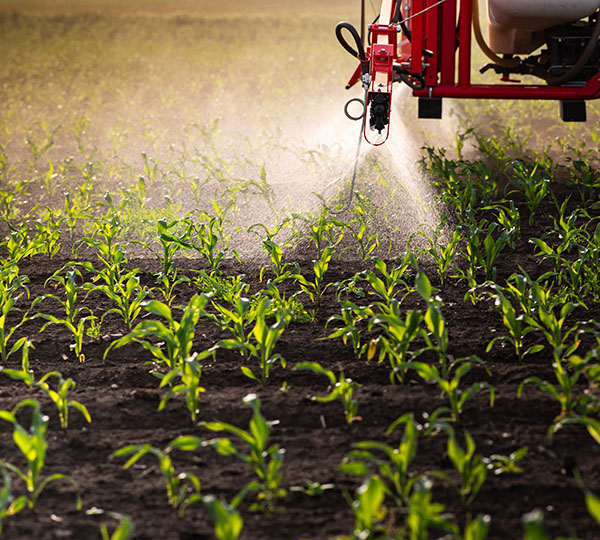
South Dakota Corn points to precision guidance and application systems as tools farmers use to reduce field passes and more precisely place pesticides and fertilizer. GPS guidance, soil sampling, yield monitors and satellite imagery can also help farmers understand differences within a field and make informed decisions about planting, nutrient management and conservation.
Instead of treating every acre the same, farmers can apply resources where they're needed and avoid unnecessary inputs. That can reduce waste, help manage production costs and keep farmland productive for the long term.
Progress today helps protect tomorrow's food supply
Regenerative agriculture is about continuous improvement. Farmers adopt practices based on their land, crops and long-term goals, adjusting as weather, markets and research change.
For consumers, the benefits extend beyond the farm: healthy soil helps protect productive farmland and water resources, efficient use of inputs helps manage the cost of producing food, and resilient farms help support a reliable food supply for the future.
Progress doesn't happen all at once. It happens one crop year and one decision at a time.