
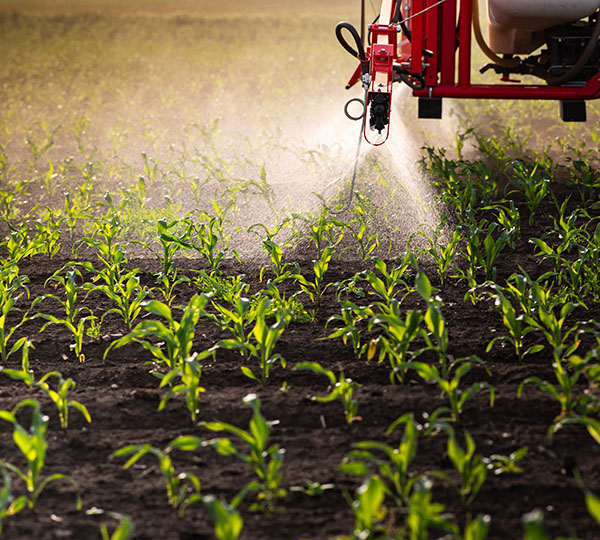
Whether you’re a farmer tending thousands of acres of cropland or a suburban resident caring for a backyard garden, growing healthy plants takes more than merely planting and harvesting. Farmers, landscapers, and home gardeners may use herbicides, insecticides, and other products to protect crops and manage weeds throughout the growing season.
One of the most recognizable herbicide ingredients is glyphosate, which is used to control weeds in agricultural fields, lawns, gardens, and landscaped areas. According to the National Pesticide Information Center, more than 750 registered products contain glyphosate as an active ingredient.
Understanding the Ongoing Discussion
Like any pesticide, glyphosate should be used responsibly and according to the directions on its label. As with many widely used products, questions about its long-term safety have led to scientific research and regulatory reviews.
Today, leading regulatory organizations continue to evaluate the available evidence. The U.S. Environmental Protection Agency (EPA) has concluded that glyphosate is "not likely to be carcinogenic to humans" when used according to its approved label.
The general scientific consensus is that any potential concern is associated with long-term, repeated occupational exposure rather than the low levels of residue consumers may encounter in food.
The Role of Regulation
Products containing glyphosate are subject to extensive review before they can be sold and used. Locally, any pesticide marketed within the state must be registered with the South Dakota Department of Agriculture and Natural Resources.
These regulations are designed to ensure products meet established safety standards and that users have clear instructions for proper application. Whether you're maintaining a lawn, caring for a garden, or managing a farm, following the product label is one of the most important steps you can take to protect yourself, others, and the environment.
Making Informed Decisions
Questions about glysophate products are understandable, particularly as continuous research studies are finalized and evaluated by regulatory organizations. Fortunately, glysophate is one of the most extensively studied herbicides, which provides regulatory agencies the greatest opportunity to understand any potential effects.
For general consumers, the best approach is to rely on trusted scientific sources and understand how products are intended to be used. It’s highly recommended to follow label directions carefully on any herbicide you purchase at a lawn care, department, or hardware store.